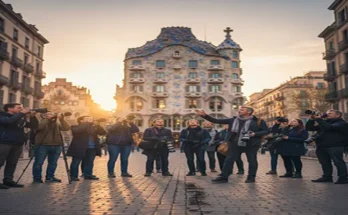

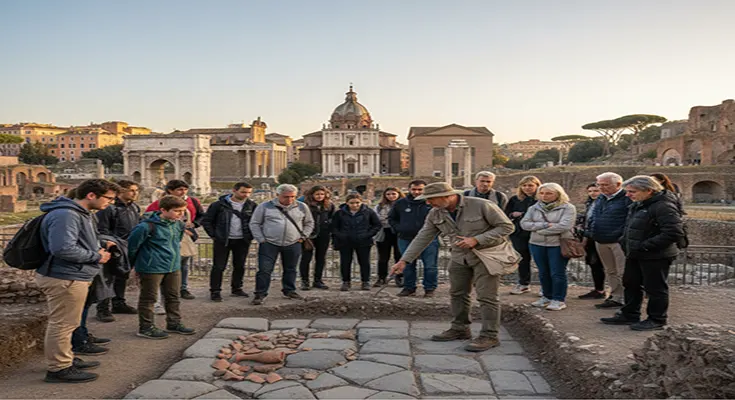
Rome, the Eternal City, is a sprawling, multi-layered testament to millennia of human history. Every cobblestone, every crumbling wall, and every ancient ruin whispers tales of emperors, gladiators, artists, and saints. While guidebooks and audio tours offer a glimpse into this past, imagine experiencing it through the eyes of someone who has literally unearthed its secrets – a local archaeologist.
Historical walking tours in Rome led by archaeologists offer an unparalleled depth of insight, transforming a standard sightseeing trip into an immersive journey through time. These aren’t just tours; they are expeditions of discovery, guided by experts who don’t just recount history but actively participate in its revelation.
Beyond the Guidebook: The Archaeologist’s Perspective
Traditional tour guides, while often knowledgeable, typically present information compiled from historical texts and established narratives. An archaeologist, however, brings a unique, hands-on understanding to the experience.
- First-Hand Knowledge: Many archaeologists guiding these tours have personally worked on excavations within Rome or its surrounding areas. They can point to a specific type of mortar and explain its significance in dating a structure, or describe the challenges of digging in a particular stratum of soil.
- The “Why” Behind the “What”: Instead of merely stating “this is a Roman temple,” an archaeologist can delve into why it was built in that particular location, how its construction techniques evolved, and what the discovery of certain artifacts within its vicinity revealed about its function and the people who used it.
- Understanding the Process of Discovery: They can articulate the process of archaeological investigation – the painstaking work of stratigraphy, the interpretation of pottery shards, the role of epigraphy (inscriptions), and how these pieces come together to reconstruct a living, breathing past.
- Nuance and Debate: History, especially ancient history, is rarely a set of undisputed facts. Archaeologists are inherently aware of the ongoing debates, the re-interpretations, and the gaps in our knowledge. They can share these scholarly discussions, offering a more complex and engaging understanding of the past.
What to Expect from an Archaeologist-Led Tour
These tours typically differ from standard tourist walks in several key ways:
- Smaller Group Sizes: To facilitate deeper engagement and allow for questions, archaeologist-led tours often limit group numbers. This ensures a more intimate and personalized experience.
- Deeper Dives, Not Just Highlights: While they will cover iconic sites, the focus might be on a specific aspect of a ruin – perhaps the engineering marvel of a Roman aqueduct, the social structure revealed by a multi-story insula (apartment block), or the evolution of religious practices evident in a catacomb.
- Emphasis on Evidence: You’ll learn to “read” the ruins. An archaeologist will teach you to look for clues in the masonry, the drainage systems, the remnants of frescoes, and the layout of ancient streets.
- Access to Specialized Sites (Sometimes): While not always guaranteed, some archaeologists may have connections that allow for visits to less-frequented sites, or provide context for areas that are not typically open to the public, sharing insights from behind the ropes.
- Tailored Experiences: Many independent archaeologists or small groups offering these tours are willing to customize itineraries based on your specific interests, whether it’s Roman engineering, early Christian art, or the daily life of ancient Romans.
Key Areas and Themes for Archaeological Exploration in Rome
Rome offers an embarrassment of riches for archaeological discovery. Here are some of the most compelling areas and themes that an expert guide can bring to life:
1. The Roman Forum and Palatine Hill
This is ground zero for understanding ancient Rome. An archaeologist here can:
- Deconstruct the Layers: Explain how centuries of construction, destruction, and re-construction created the complex layers you see today.
- Bring Buildings to Life: Reconstruct the appearance and function of the temples, basilicas, and triumphal arches, detailing the materials and techniques used by Roman builders.
- Narrate Daily Life: Use the remnants of shops, houses, and latrines to paint a vivid picture of what daily life was like for Romans from all social strata.
2. The Colosseum and Imperial Fora
Beyond the arena, the surrounding imperial fora tell the story of Rome’s emperors.
- Engineering Marvels: Discuss the engineering brilliance behind the Colosseum’s construction, its complex hypogeum (underground network), and how it managed vast crowds and elaborate spectacles.
- Imperial Propaganda: Explore how the various fora (of Augustus, Nerva, Trajan) were designed as monumental propaganda, showcasing the power and achievements of individual emperors.
3. Ostia Antica: The Roman Port City
A short train ride from Rome, Ostia offers an incredibly preserved glimpse into a Roman commercial hub.
- Urban Planning: An archaeologist can highlight the sophisticated urban planning, complete with apartment buildings, public baths, taverns, and warehouses.
- Trade and Daily Life: Detail the role of Ostia in supplying Rome, examining the mosaics of the piazza delle Corporazioni that depict the various merchant guilds.
- Private Residences: Explore the intact homes and shops, revealing intimate details of Roman domestic and commercial life.
4. The Appian Way and Catacombs
Venturing outside the city walls offers a different perspective on Roman society and early Christianity.
- Road Building: Discuss the genius of Roman road construction and its impact on the empire.
- Funerary Practices: Explain the shift from cremation to inhumation and the fascinating iconography and inscriptions found within the catacombs.
- Villa Life: Point out the remnants of grand villas that once lined the ancient highway, offering insights into the lives of Rome’s elite.
5. Underground Rome (Case Romane del Celio, Domus Aurea)
Rome is built on layers, and often the most fascinating discoveries are beneath your feet.
- Stratigraphy in Action: Witness how modern buildings sit atop medieval, which sit atop Roman.
- Hidden Treasures: Explore sites like the Case Romane del Celio, a complex of Roman houses beneath a church, or the Domus Aurea, Nero’s lavish palace, often with virtual reality reconstructions.
How to Find an Archaeologist-Led Tour
- Specialized Tour Companies: Search online for companies advertising “archaeologist-led tours,” “expert-led Rome tours,” or “academic tours of Rome.”
- University Programs: Some universities with archaeology departments in Rome (or abroad with study programs in Rome) might offer public outreach tours.
- Professional Associations: Look for organizations like the American Institute of Archaeology (AIA) or local Italian archaeological societies that might list qualified guides.
- Direct Contact: Many archaeologists operate as independent guides. Search for their personal websites or LinkedIn profiles. Look for guides with PhDs, published works, or affiliations with archaeological digs.
- Read Reviews: Ensure the guides are not just archaeologists, but also engaging communicators.
Making the Most of Your Tour
- Ask Questions: This is your opportunity to pick the brain of an expert. Don’t be shy!
- Wear Comfortable Shoes: You will be doing a lot of walking, often on uneven ancient surfaces.
- Bring Water: Especially in Rome’s heat, staying hydrated is crucial.
- Do Some Homework: A basic understanding of Roman history will enhance your appreciation of the deeper insights provided by the archaeologist.
- Be Prepared for Flexibility: Sometimes archaeological sites have unexpected closures or new discoveries might alter a planned route. A true archaeologist will be able to adapt and still provide a rich experience.
A historical walking tour in Rome led by a local archaeologist is more than just a sightseeing excursion; it’s an educational and deeply enriching experience. It transforms ancient stones from mere ruins into vibrant narratives, allowing you to connect with the past on a profound, intellectual, and human level. For anyone with a genuine curiosity about history, this is arguably the most rewarding way to unearth the Eternal City’s boundless secrets.