

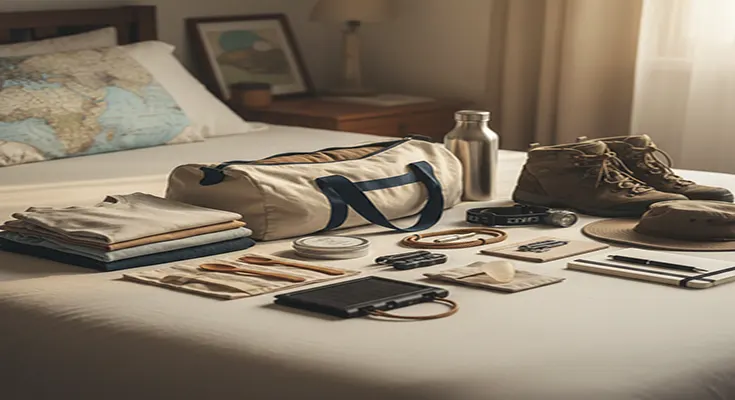
The rise of the digital nomad and the “slow travel” movement has redefined what it means to see the world. For the solo female traveler embarking on a long-term journey, the challenge is twofold: you need gear that is versatile enough to handle diverse climates and safe enough for solo navigation, yet mindful enough to minimize your environmental footprint.
Packing sustainably isn’t just about buying “green” products; it’s about a philosophy of minimalism, durability, and multifunctionality. When you carry less, you consume less, and you leave a lighter trail across the globe.
Here is a comprehensive, 1000-word guide to building a sustainable, long-term packing list that prioritizes the planet without sacrificing comfort or style.
1. The Foundation: The “One-Bag” Philosophy
Sustainability starts with the luggage itself. Avoid cheap, plastic-heavy suitcases that break after one season.
- The Backpack: Opt for a high-quality, 40L to 50L carry-on sized backpack. Brands like Osprey, Patagonia, or Cotopaxi often use recycled materials and, more importantly, offer lifetime repair warranties. Fixing a zipper instead of buying a new bag is the ultimate sustainable act.
- Packing Cubes: Use cubes made from recycled PET (plastic bottles). These organize your life and prevent you from overpacking. If your clothes are compressed, you’re less likely to buy “emergency” items on the road.
2. The Capsule Wardrobe: Quality Over Quantity
For long-term travel, your wardrobe should follow the Rule of 3: one to wear, one to wash, and one to dry. Choose natural, biodegradable fibers that require less frequent washing.
The Fabric Choice
- Merino Wool: The holy grail of travel fabrics. It is odor-resistant, temperature-regulating, and biodegradable. You can wear a Merino t-shirt for five days without it smelling, which saves immense amounts of water and energy on laundry.
- Linen and Tencel: Perfect for tropical climates. Tencel (Lyocell) is made from sustainably sourced wood pulp and is much more eco-friendly than conventional cotton.
The Essentials
- 5 Reversible Tops: Choose neutral colors that can be layered.
- 2 Pairs of Versatile Bottoms: One pair of durable leggings (made from recycled nylon) and one pair of linen trousers.
- The “Everything” Dress: A simple, midi-length black dress can be dressed down for a hike or up for a dinner in Paris.
- 1 High-Quality Rain Shell: Look for PFC-free waterproofing.
3. The Zero-Waste Toiletry Kit
Traditional toiletries are a nightmare of single-use plastics and chemical runoff. Transitioning to solids is the best move for a solo traveler—it saves space, prevents leaks, and breezes through airport security.
- Solid Bars: Switch to shampoo, conditioner, and body soap bars. Brands like Ethique or Lush offer plastic-free options that last for months.
- The Safety Razor: Ditch plastic disposables for a stainless steel safety razor. It provides a better shave, and the only waste is a tiny, recyclable metal blade.
- Bamboo Toothbrush: A simple switch from plastic that prevents a lifetime of waste.
- Natural Deodorant Paste: Often comes in glass jars or compostable cardboard tubes.
- Menstrual Cup or Period Underwear: For female travelers, this is a game-changer. It eliminates the need to find (and dispose of) tampons in remote areas and saves hundreds of dollars over a long trip.
4. The “Eco-Utility” Kit
Being a sustainable traveler means being prepared to refuse single-use items in the wild.
- Filtered Water Bottle: Instead of buying bottled water, invest in a bottle with a built-in purifier (like Grayl or Lifestraw). This allows you to drink safely from taps or rivers anywhere in the world, preventing hundreds of plastic bottles from entering landfills.
- Collapsible Containers & Utensils: A small set of bamboo cutlery and a collapsible silicone bowl allow you to enjoy street food without the plastic forks and Styrofoam trays.
- Solid Laundry Detergent Sheets: Lightweight, plastic-free, and perfect for sink-washing your Merino wool in a hostel or Agriturismo.
5. Conscious Tech and Safety
As a solo traveler, your tech is your lifeline. Keeping it sustainable means protecting what you have so it lasts for years.
- Solar Power Bank: A great backup for long bus rides or treks, allowing you to charge your phone using renewable energy.
- Universal Travel Adapter: Buy one high-quality, fused adapter rather than several cheap ones that might fry your electronics.
- Digital Subscription over Paper: Use e-books and digital maps. If you love physical books, use “Little Free Libraries” found in hostels to swap books rather than buying new ones.
6. Footwear: The “Two-Pair” Limit
Shoes are heavy and often made of non-recyclable synthetics.
- The All-Terrain Sneaker: Look for brands like Allbirds (sugarcane and wool) or Vivobarefoot (recycled plastic). You need something that looks decent in a city but can handle a light trail.
- The Supportive Sandal: A pair of Birkenstocks (cork is renewable) or Tevas (recycled straps). These can be worn with socks in the cold or alone in the heat.
7. The Packing List Summary Table
| Category | Sustainable Choice | Why? |
| Clothing | Merino Wool & Linen | Odor-resistant, less washing, biodegradable. |
| Toiletries | Solid bars & Menstrual cup | Zero plastic waste, TSA friendly. |
| Hydration | Purifying Water Bottle | Eliminates 100% of single-use plastic bottles. |
| Bags | Recycled Nylon w/ Warranty | Built to last a lifetime, not a season. |
| Laundry | Detergent Sheets | No bulky plastic jugs, ocean-safe ingredients. |
8. Final Philosophy: Leave No Trace
Sustainable packing is only half the battle. The other half is how you use what you’ve brought.
- Wash Cold, Hang Dry: Most energy in laundry comes from heating the water and the dryer.
- The “Souvenir” Rule: Before buying something, ask: Will I still want this in 5 years? Can I carry it for the next 6 months? * Repair Over Replace: Carry a small sewing kit. A lost button shouldn’t mean a new shirt.
Packing for a long-term solo journey is an act of self-reliance. By choosing a sustainable packing list, you reduce the physical burden on your shoulders and the environmental burden on the places you’ve fallen in love with. You become a guest of the world, rather than just a consumer.